
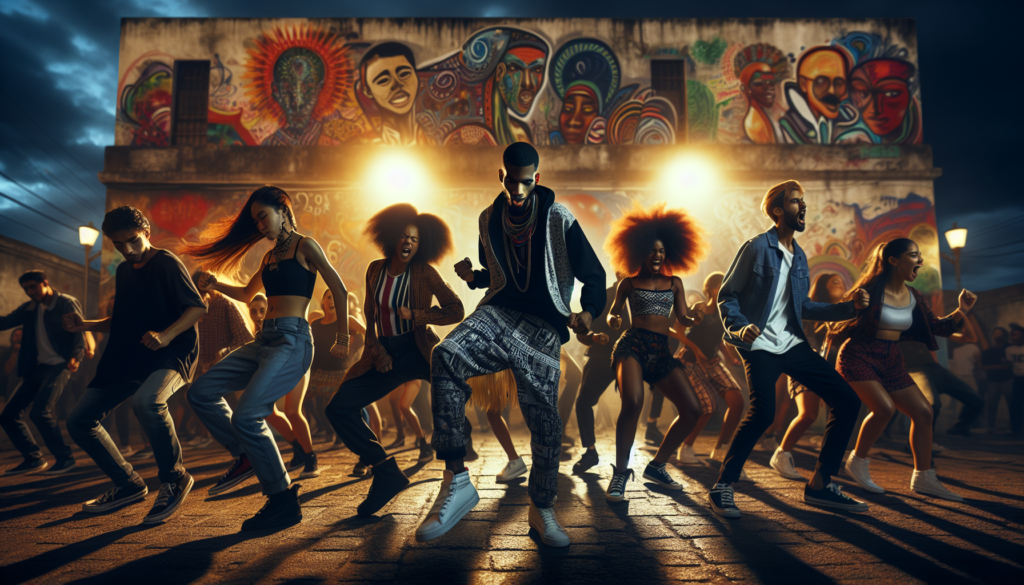
Reggaetón and Dancehall in the Museum: Sound, Movement, and Resistance
The Museum of Contemporary Art (MOCA) is spotlighting reggaetón and dancehall as more than globally influential genres—they are living archives of cultural resilience and protest. Rooted in Afro-Caribbean communities and shaped by migration, censorship, and economic inequality, these forms have long served as platforms for storytelling, dissent, and identity. The exhibit frames music and dance as contemporary art practices that document struggle, amplify marginalized voices, and mobilize collective action.
Historical Context: How Two Genres Became Vehicles for Protest
Reggaetón and dancehall emerged from distinct yet interconnected social histories. Dancehall developed in Jamaica from the late 1970s onward, evolving through sound system culture, street-level performance, and sharp commentary on daily realities. Reggaetón crystallized later through transnational exchange—particularly between Panama, Puerto Rico, and the broader Caribbean—absorbing dancehall rhythms, hip-hop production, and Spanish-language lyricism to articulate the experiences of working-class neighborhoods and diasporic youth.
Within the exhibit, the genres are presented as forms of protest art precisely because they have repeatedly been targeted, policed, or dismissed by institutions—often for their frank depictions of sexuality, poverty, violence, and state power. By situating them in a museum setting, MOCA invites visitors to consider how cultural expression can be both aesthetic and political, both entertainment and testimony.
Key Themes Highlighted in the Exhibit
Through audiovisual installations, archival materials, and contemporary artworks influenced by club culture, the exhibit emphasizes how reggaetón and dancehall operate as public forums—spaces where power is negotiated and narratives are contested.
- Surveillance and censorship: The exhibit examines how authorities and media gatekeepers have attempted to control lyrics, venues, and youth culture, and how artists have responded with coded language, satire, and amplified visibility.
- Race, class, and urban identity: Both genres are traced back to Black and working-class communities, highlighting how sound and style function as assertions of dignity and belonging.
- Gender and bodily autonomy: Dance and performance are presented as political gestures—capable of reinforcing norms, challenging them, or creating new forms of self-definition.
- Migration and diaspora: The exhibit shows how movement across borders has shaped rhythms, slang, fashion, and production techniques—turning local scenes into global networks.
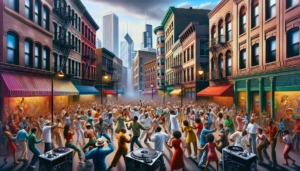
- Community-building: From block parties to dance floors, the genres are framed as social infrastructure that fosters solidarity and collective memory.
From Dance Floor to Gallery Wall: Why This Belongs in Contemporary Art
MOCA’s approach treats sound and movement as legitimate artistic media with conceptual depth. Rather than isolating “hits” or celebrity narratives, the exhibit underscores processes: sampling, remixing, dub techniques, choreography, and performance rituals that mirror broader contemporary art concerns—appropriation, authorship, public space, and the politics of visibility.
By presenting these traditions alongside visual art, the exhibit clarifies how reggaetón and dancehall have shaped aesthetics far beyond music: graphic design, video language, fashion silhouettes, and digital culture. The museum context also encourages critical listening—prompting audiences to hear not only the beat, but the social conditions that made the beat necessary.
What Visitors Can Expect
The exhibit is designed to be experienced, not merely observed. Immersive soundscapes and projected visuals place visitors inside the environments where these genres evolved—street corners, clubs, community gatherings, and diasporic scenes. Interpretive materials provide context on cultural origins, linguistic innovation, and the political events that informed lyrical themes.
Possible Exhibit Elements
- Audio and video installations that trace rhythmic lineages and performance styles
- Archival ephemera such as flyers, photographs, and press clippings documenting public controversy and grassroots promotion
- Contemporary artworks influenced by sound system culture, club aesthetics, and Caribbean visual traditions
- Educational text panels that connect cultural production to policy, policing, and media representation
Why the Exhibit Matters Now
As reggaetón and dancehall continue to dominate charts and influence global pop, MOCA’s exhibit raises an urgent question: what happens when art forms born from marginalized realities become mainstream commodities? The exhibit does not offer a simple answer; instead, it invites audiences to recognize how commercialization can coexist with ongoing inequality—and how artists and communities continually negotiate ownership, credit, and cultural memory.
Ultimately, the exhibit positions reggaetón and dancehall as protest art not because they are uniformly political in every song, but because they are rooted in lived realities where expression itself can be an act of resistance. By bringing these genres into the museum, MOCA underscores their enduring role as cultural documentation, social critique, and collective affirmation.
Planning Your Visit and Continuing the Conversation
Visitors are encouraged to approach the exhibit with both curiosity and critical attention: listen for the histories embedded in rhythm, observe how dance communicates beyond words, and consider how institutions shape the meaning of culture. For those interested in deeper engagement, explore related readings on Afro-Caribbean history, sound system culture, diaspora studies, and contemporary debates about cultural appropriation and artistic freedom.
MOCA’s presentation offers a compelling reminder that protest art is not limited to posters or paintings—it can be heard in basslines, felt in choreography, and sustained through communities that refuse to be silenced.
Source: New exhibit at Museum of Contemporary Art explores reggaetón and dancehall as forms of protest